

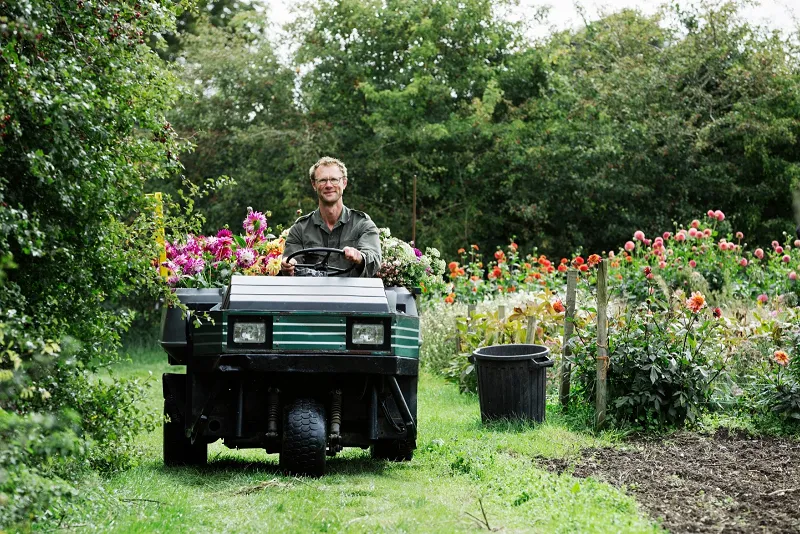
Recruiting a gardener or groundsperson for a country estate, private household, or rural property means finding someone who combines practical horticultural skill with an understanding of how a managed landscape is expected to look and function. Whether you need a head gardener to oversee an extensive walled garden, a groundsperson to maintain parkland and sports facilities, or a part-time gardener to keep a private garden looking its best, this guide explains what these roles involve, what to look for in candidates, and how to approach gardener recruitment effectively.
#What Is the Difference Between a Gardener and a Groundsperson?
These two roles are often used interchangeably, but they do have distinct areas of focus that matter when writing a job description or searching for a candidate.
A gardener is primarily responsible for the cultivation and care of planted areas. This typically includes managing borders and beds, pruning shrubs and trees, maintaining lawns, tending to kitchen gardens and cutting gardens, and overseeing the seasonal planting programme. On larger estates, a head gardener may also manage a small team of gardening staff and coordinate with the estate manager or property owner on longer-term horticultural plans.
A groundsperson focuses on the maintenance and condition of outdoor areas more broadly, including sports pitches, parkland, paths, fencing, drainage, and outdoor infrastructure. On country estates, the groundsperson role often overlaps with the gardener role, particularly on smaller properties where one person is expected to cover both disciplines.
Understanding this distinction before you advertise helps you attract the right candidates and avoid mismatches at interview stage.
#What Roles Are Available in Estate and Private Household Gardening?
Gardening and grounds positions on country estates and private households cover a wide range of responsibilities and seniority levels. The most common roles include:
- Head Gardener: Leads the horticultural programme, manages staff, and works directly with the estate owner or manager. Requires significant experience and often horticultural qualifications.
- Garden Manager: Similar to head gardener, often with additional operational responsibilities across the wider estate grounds.
- Groundsperson: Maintains outdoor infrastructure, parkland, and sports surfaces. May also assist with general gardening tasks.
- Gardener (General): Carries out day-to-day horticultural maintenance under the direction of a head gardener or estate manager.
- Kitchen Garden Specialist: Manages the productive growing areas of an estate, supplying the household with seasonal fruit, vegetables, and herbs.
- Part-Time Gardener: Provides regular maintenance support to a private household, typically visiting one to three days per week.
The scope of each role will vary considerably depending on the size and nature of the property. A compact private household may need a single versatile gardener, while a large country estate may require a structured team with defined responsibilities.
#What Qualifications and Experience Should You Look For?
Formal qualifications are not always essential for gardening roles, particularly at a general or part-time level. However, for head gardener or specialist positions, they can be an important indicator of depth of knowledge and professional commitment.
#Relevant Qualifications
Qualifications that demonstrate horticultural competence include:
- RHS Level 2 Certificate in the Principles and Practices of Horticulture: A widely recognised entry-level qualification covering core horticultural knowledge.
- RHS Level 3 Diploma in Horticulture: A more advanced qualification suitable for candidates aspiring to head gardener roles.
- City and Guilds Horticulture qualifications: A well-regarded vocational route, particularly for practical, hands-on candidates.
- National Diploma or Degree in Horticulture or Landscape Management: Relevant for candidates moving into senior or specialist roles.
- PA1 and PA6 pesticide application certificates: Important if the role involves the use of herbicides or pesticides.
- Chainsaw operators certificates (NPTC): Relevant where tree work forms part of the role.
For groundsperson roles, a relevant groundsmanship qualification from the Institute of Groundsmanship (IOG) may also be appropriate, particularly if the role involves the maintenance of sports surfaces.
#Experience to Look For
Beyond qualifications, the following types of experience are worth prioritising when reviewing candidates for private estate gardening positions:
- Previous experience working on private estates or in formal garden environments
- Knowledge of historic garden styles and the maintenance requirements they carry
- Experience managing a kitchen garden or productive growing area
- Familiarity with irrigation systems, greenhouse management, and propagation
- A track record of managing staff or supervising volunteers (for head gardener roles)
- Understanding of seasonal planting programmes and long-term garden planning
Discretion and reliability are also important personal qualities in any candidate working on a private estate. The gardener or groundsperson will often be present when the household is at home and must conduct themselves with professionalism and respect for privacy.
#What Should a Gardener or Groundsperson Job Description Include?
A clear, well-written job description is the foundation of any successful gardener recruitment campaign. It sets expectations for candidates, reduces irrelevant applications, and helps your recruiter understand exactly who you are looking for.
A thorough job description for a gardening or grounds role should include:
- Job title and reporting structure (for example, reporting to the estate manager or directly to the property owner)
- Location and a brief description of the property and its grounds
- Core responsibilities, broken down by area (for example, lawn care, borders, kitchen garden, outdoor structures)
- Any team management responsibilities
- Working hours, days, and any flexibility requirements (including seasonal variations)
- Whether accommodation is provided (important for live-in positions on country estates)
- Qualifications and experience required
- Salary range or a commitment to discuss salary at interview
- Benefits such as a vehicle, accommodation, or use of equipment
If you work with a specialist rural recruitment agency, they will typically help you refine and write the job description as part of the placement process. At Larstone Recruitment, this is a standard part of our
At Larstone Recruitment, this is a standard part of our bespoke recruitment service for estate and private household employers.
#How Do You Recruit a Gardener or Groundsperson for a Private Estate?
Recruiting for private estate roles requires a different approach to standard commercial hiring. Candidates with experience in formal garden environments are not always actively searching job boards, and the nature of private household work means that discretion, fit, and personal references carry significant weight.
#Using a Specialist Rural Recruitment Agency
A specialist rural recruitment agency with experience in private household and estate placements will have access to candidates who are not visible through general job boards. They will understand the specific demands of estate gardening, know what questions to ask at screening stage, and be well placed to assess whether a candidate is likely to thrive in a private household environment.
Working with a specialist also means that initial screening, reference checks, and DBS verification are handled professionally before any candidate is presented to you. For employers who value their time and privacy, this is a significant advantage.
#Advertising on Specialist Jobs Boards
If you prefer to manage the process yourself, advertising on a specialist rural jobs board will reach a more relevant audience than a general employment platform. Look for a jobs board that has an established following in the estate, rural, and private household sectors, and ensure your advert is detailed enough to attract experienced applicants.
Larstone Recruitment operates its own
Larstone Recruitment operates its own specialist rural jobs board designed specifically for private household and estate roles across the UK.
#References and Background Checks
For any gardening or grounds role on a private estate, professional references are essential. Two to three references from previous employers, particularly those in similar private household or estate environments, will give you meaningful assurance about a candidate's reliability, work ethic, and conduct.
Depending on the nature of the role, an enhanced DBS check may also be appropriate, particularly if the candidate will have regular unsupervised access to areas of the property used by children or vulnerable adults. Larstone's
Larstone's reference and DBS checking service is available as part of the placement process.
#What Should You Pay a Gardener or Groundsperson?
Salary for gardening and grounds roles varies depending on the level of the position, the size and complexity of the estate, and whether accommodation is included as part of the package.
The table below gives a general indication of salary ranges for gardening and grounds roles on private estates and country properties. These figures are indicative only and based on general market knowledge; always verify current rates with a specialist recruiter before advertising a role.
Role
Typical Annual Salary Range
NotesPart-Time Gardener | Pro-rata from National Living Wage upwards | Varies significantly by area and days worked
Groundsperson | £25,000 to £32,000 | Higher end for specialist sports surface maintenance
General Gardener (Full-Time) | £26,000 to £34,000 | Dependent on experience and estate scale
Head Gardener | £32,000 to £50,000+ | Senior roles on large estates may exceed this
Garden Manager | £35,000 to £55,000+ | Where staff management and planning are core duties
Where accommodation is provided as part of the role, this is typically reflected in the overall package rather than added on top of a full market salary. Employment contracts for live-in staff carry specific legal requirements around the accommodation offset and minimum wage obligations, so it is worth seeking employment advice before agreeing terms with a candidate. Larstone works with
Larstone works with Atkins Dellow solicitors and StaffTax for payroll and employment contract support.
#What Are the Most Common Mistakes Employers Make When Recruiting Gardening Staff?
Estate and private household employers who are recruiting a gardener or groundsperson for the first time sometimes encounter avoidable difficulties. The most common are:
- Writing a vague job description: Candidates cannot assess whether they are suitable, and recruiters cannot match effectively without clear information about the role and the property.
- Underestimating the importance of personal fit: A gardener working on a private estate will spend considerable time on the property, often while the household is present. Attitude, discretion, and the ability to work independently matter as much as technical skill.
- Skipping the trial period: A working trial gives both parties the chance to assess the relationship before committing. Most experienced recruiters recommend building this into the process wherever possible.
- Neglecting references: In private household recruitment, references from previous employers in similar environments are among the most reliable indicators of future performance. Always follow them up directly.
- Advertising on general platforms only: Specialist candidates for estate and rural roles are not always active on mainstream job boards. Using a specialist rural recruitment agency or jobs board significantly broadens your reach.
#Can Larstone Recruitment Help With Gardener and Groundsperson Recruitment?
Larstone Recruitment has been specialising in rural and private household recruitment since 2010. We work with private households, country estates, and rural properties across East Anglia and the wider UK, helping employers find reliable, skilled, and well-matched candidates for gardening and grounds roles of all types.
Our bespoke service covers everything from the initial briefing call through to candidate screening, reference checking, interview coordination, and post-placement support. We take the time to understand your property, your working environment, and the kind of person who will thrive in the role before presenting you with any candidates.
You can read more about our approach on our bespoke recruitment service page, or browse current vacancies in the country estates and private household sectors.
If you are looking to recruit a gardener or groundsperson for your estate or private property, we would be delighted to help. Contact Larstone Recruitment today to discuss your requirements.