

Farming & Agriculture
Connecting skilled agricultural workers with farms and rural businesses across the UKSector Overview
Farming & Agriculture
Farm Manager
Farm Office & Secretarial
Farm Assistant
Tractor Driver
Sprayer
General Farm Worker
Livestock
Pig Stockman
Beef Stockman
Poultry Worker
Engineer
Mechanic
Technician
Agronomist
Veterinarian
Farm Business Consultant
Land Agent
Surveyor
Buyer
Weigh Bridge
Farm Office - Bookkeeper & Payroll
Accounts & Finance
Stock person
Shepherd
Lead Arable Operator
Farming & Agriculture Careers
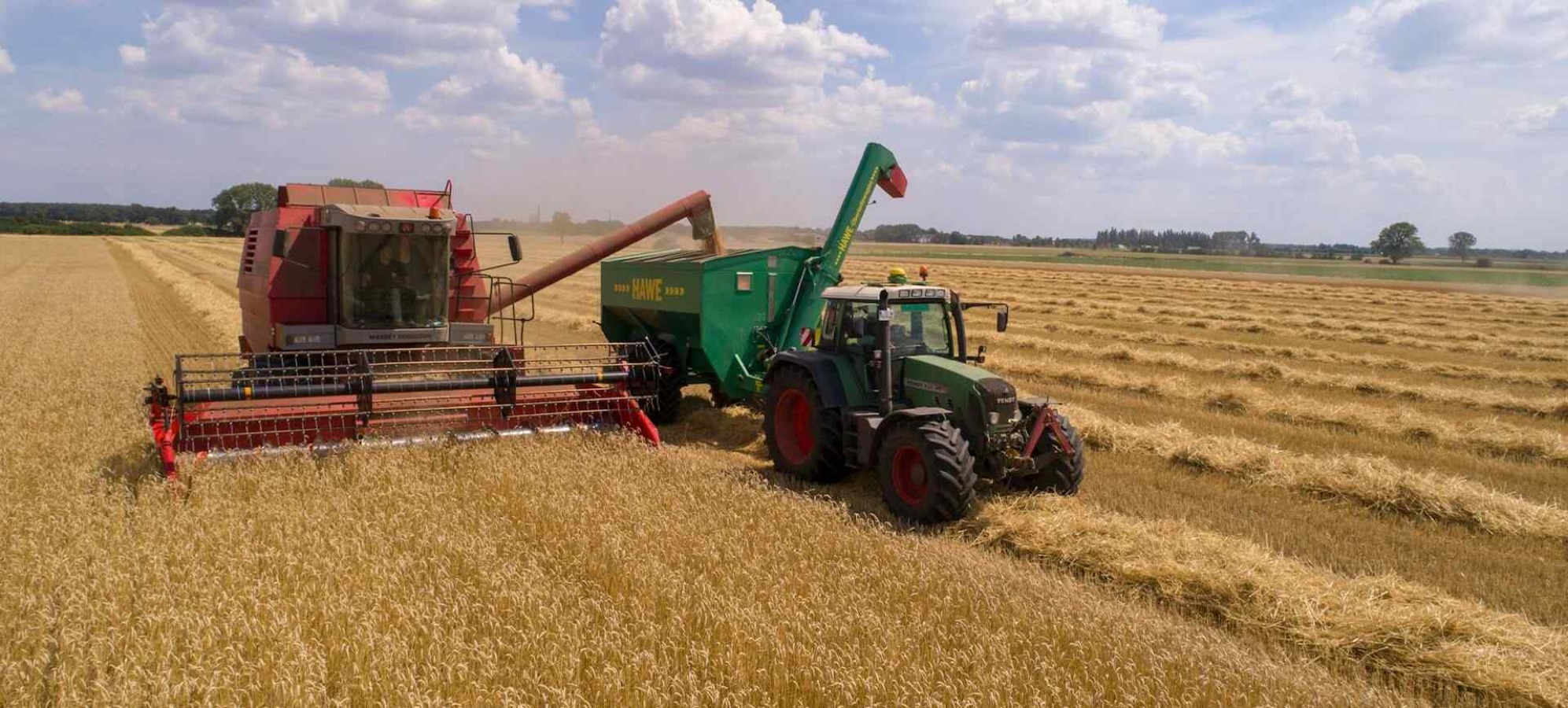
British agriculture remains fundamental to the nation's economy, with diverse farming operations creating year-round demand for skilled workers. Modern farming is far removed from outdated stereotypes, it's a technology-driven, environmentally focused sector offering genuine career opportunities.
This sector encompasses tractor drivers, farm managers, livestock handlers, agricultural engineers, crop technicians, and farm administrators. Salaries range from £24,000 for general farm workers to £55,000+ for farm managers overseeing large operations. Many positions include farm accommodation or tied housing, and the sector offers progression for those with aptitude and commitment.
The farming landscape is evolving rapidly. Climate change, sustainability requirements, and technological advances mean farms need staff who combine traditional practical skills with willingness to learn new systems, from GPS-guided machinery to regenerative agriculture practices. If you are practical, hard-working, and interested in food production, agriculture offers stable, meaningful employment.
Explore Farming & Agricultural Roles
Farming & Agriculture
Agricultural Engineer
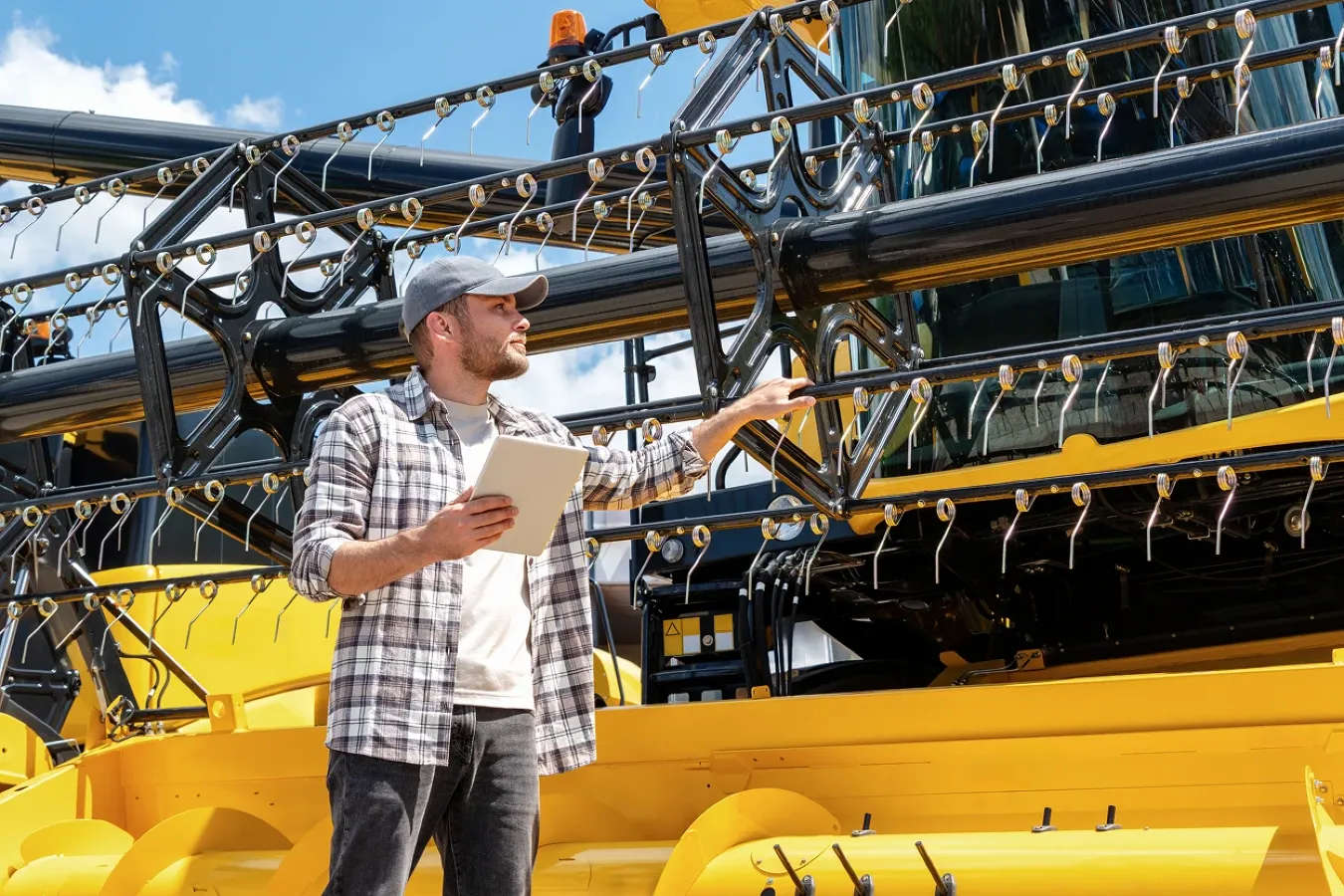
An Agricultural Engineer’s role goes well beyond basic daily farming. You are responsible for the entire production lifecycle to the highest possible standard—often managing multi-disciplinary teams and complex supply chains, coordinating with specialist agronomists and land agents.
Farming & Agriculture
Tractor Operator
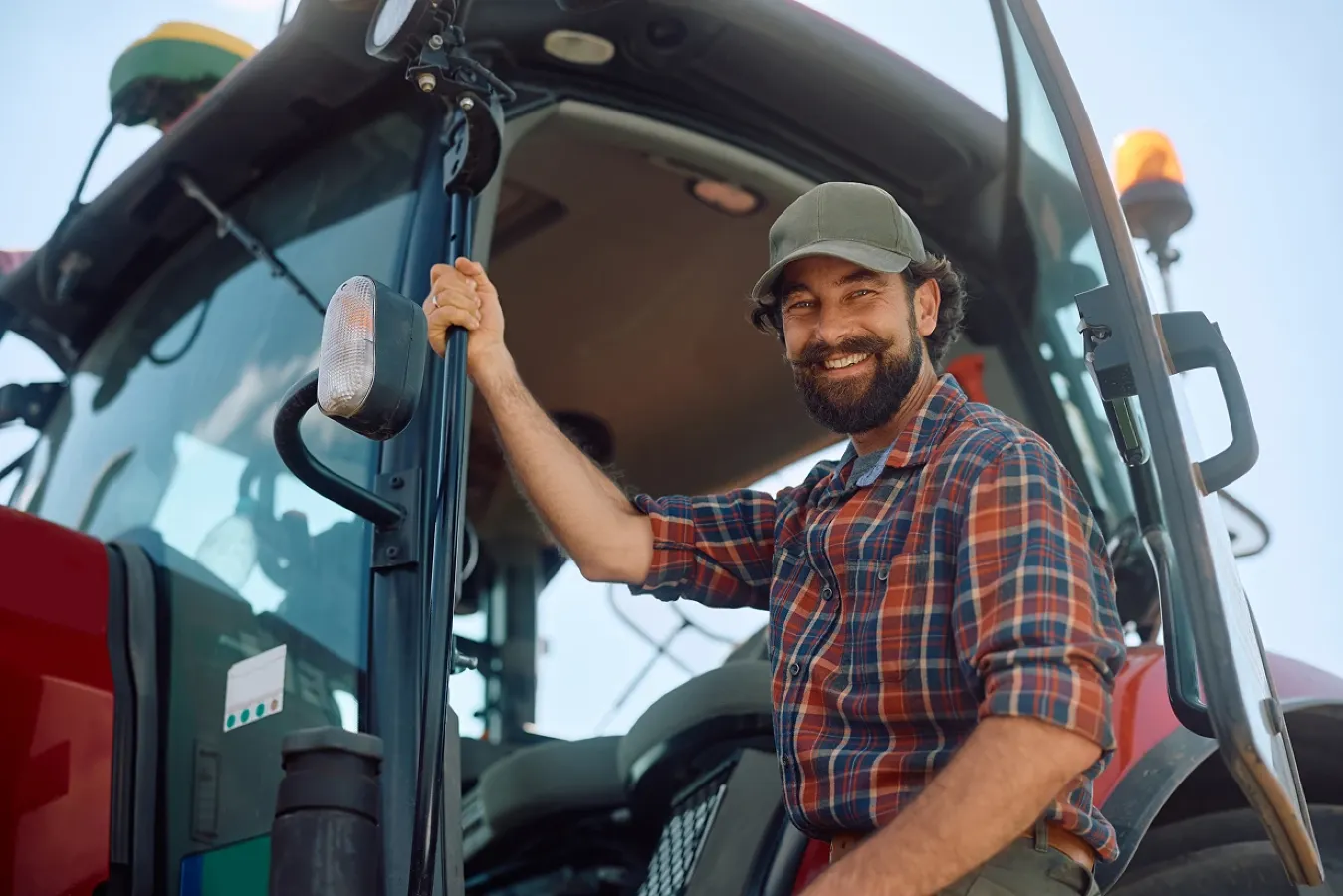
A tractor operator’s role goes well beyond basic driving. You are responsible for the precise execution of large-scale operations to the highest possible standard—often managing hi-tech equipment with GPS and computer systems, coordinating with farm management to hit critical windows, and ensuring operational goals are met through meticulous maintenance and troubleshooting "behind the scenes."

Farming & Agriculture
Agronomist
An Agronomist’s role goes well beyond basic crop checking. You are responsible for delivering strategic agricultural solutions to the highest possible standard, often managing complex soil health and nutrient work streams, coordinating with farm owners and stakeholders, and ensuring yield and sustainability goals are met through precise, data-driven execution
For Employers
Hiring Farming & Agriculture Staff
Finding Reliable Farm Workers
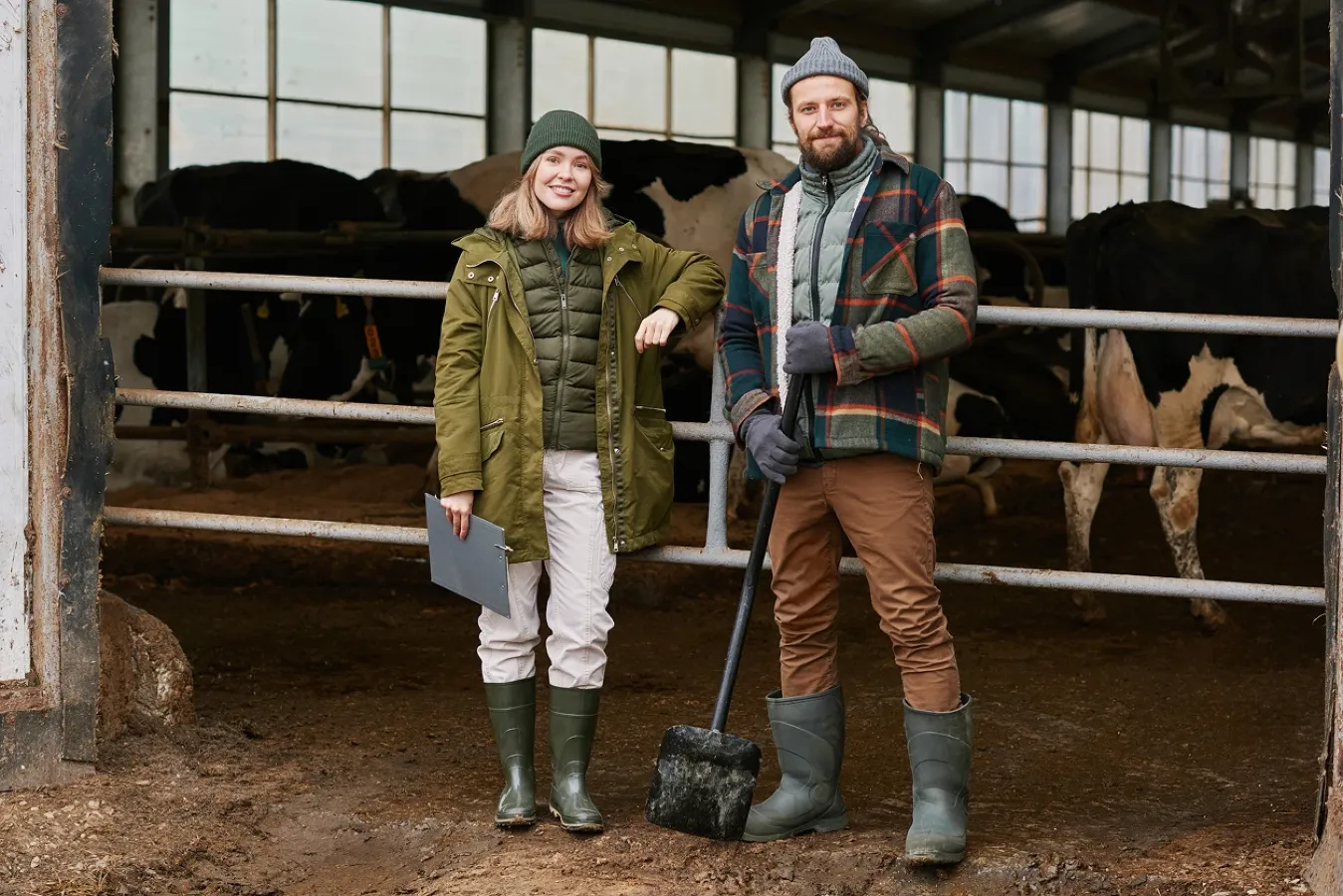
Good farm staff are worth their weight in gold. They turn up regardless of weather, spot problems early, treat machinery with respect, and understand that farming doesn't stop for weekends or bank holidays. Finding people with that reliability and commitment isn't always straightforward.
We have built relationships with candidates who understand what farm work actually involves. They are not put off by early starts, physical demands, or the reality that harvest doesn't wait for convenient timing. These are people who take pride in producing food, caring for livestock, or maintaining the land.
Every candidate we represent has been interviewed about their practical experience, reference-checked by previous farming employers if and where possible, and assessed for their genuine interest in agricultural work.
What Farming Employers Typically Look For
Requirements vary by role and farm type, but certain qualities appear consistently:
- Practical competence and common sense
- Reliability and strong work ethic
- Willingness to work flexibly, including long hours during busy periods
- Respect for machinery, livestock, and the land
- Ability to work independently with minimal supervision
- Relevant certifications (tractor driving, spraying licences, livestock handling)
For Candidates
What Farming Employers Typically Look For
Why Choose Farming?
Farming offers something office work never can: direct connection to what you produce. You plant crops in spring, manage them through summer, and harvest them in autumn. You care for livestock and see them thrive. You maintain machinery that enables food production. The work is hard, the hours can be long, but for those suited to it, farming provides genuine purpose and satisfaction.
Career Progression
Agricultural careers often start with general farm work (£24,000-£28,000), progressing to specialist roles like tractor driving or livestock management (£28,000-£35,000), and potentially to farm management or agricultural contracting (£40,000-£55,000+). Many successful farmers started as employed workers before taking on tenancies or purchasing their own operations.
The sector also offers sideways progression, from crop work into agronomy, from machinery operation into agricultural engineering, from livestock handling into farm management.
What You'll Need to Succeed
Agricultural work values practical ability over academic qualifications, though relevant certificates and licences are increasingly important. Physical fitness is essential, farm work is demanding. So is flexibility, particularly during planting, spraying, and harvest periods when 12-14 hour days aren't unusual.
Typical Qualifications and Skills
- Tractor driving licence and experience with agricultural machinery
- PA1/PA6 spraying certificates (for crop spraying roles)
- Relevant agricultural qualifications (City & Guilds, land-based diplomas, degrees)
- Full UK driving licence (essential for most farm roles)
- First aid certification (valuable in rural locations)
- Livestock handling experience and relevant certifications
Farming & Agriculture Recruitment FAQs
Some positions include farm accommodation or tied housing, particularly for roles requiring early starts (dairy farming), on-call availability (lambing season, calving), or senior management positions. Many roles are daily employment where you commute from nearby. Accommodation arrangements are always clearly stated in job descriptions.
Honest answer: farming doesn't fit 9-5. During busy periods (planting, spraying, harvest) you work long days, often including weekends. During quieter winter months, hours are more manageable. Livestock farming involves year-round early starts for feeding and checking. Most farmers offer time off in lieu after intensive periods, but if you need rigid working hours, farming probably isn't for you.
Many successful farm workers didn't grow up on farms. Practical aptitude, willingness to learn, and strong work ethic matter more than background. Some routes in: agricultural college courses, apprenticeships, starting with general farm work and learning on the job, or transitioning from related sectors like groundskeeping, horticulture, or construction. We can advise on the best entry route for your situation.
Absolutely. Modern farms use GPS-guided tractors, drone surveying, precision spraying, automated feeding systems, and sophisticated farm management software. You will need basic computer literacy alongside practical skills. That said, farming fundamentals haven't changed, you still need to understand crops, soil, weather, and livestock. Technology enhances traditional skills rather than replacing them.
Better than many assume. Food production is essential, and British agriculture will continue regardless of economic conditions. Individual farms may struggle, but the sector overall provides stable employment. Experienced, reliable farm workers are always in demand. Diversification (farm shops, events, renewable energy) also creates new agricultural employment opportunities.
Looking for Your Next Role?
Register with us to access farming and agricultural positions across the UK.
Need To Hire?
Let us find you reliable workers who understand what farming actually requires.