

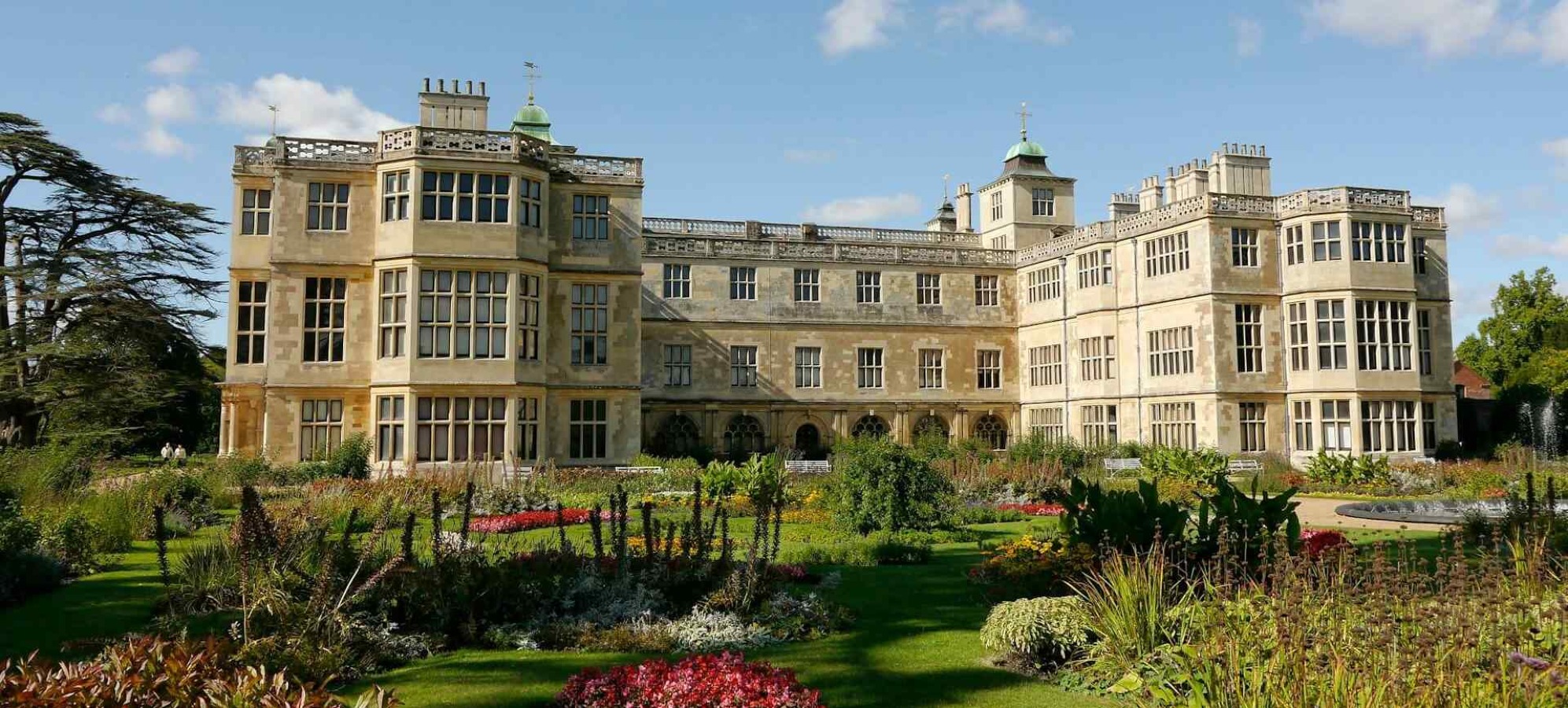
Country Estates Staff Recruitment
Connecting exceptional estate staff with distinguished properties across the UKSector Overview
Country Estates
Estate Manager
Property Manager
Maintenance
Security
Houseman
Butler
Caretaker
Grounds person
Land Management
Agriculture
House Manager
Surveyor
Rural Assets Manager
Operations Manager
Events Manager
Head of Estates
Head Gardener
Grower
Livestock Manager
Gamekeeper
Beat-keeper
Farm Manager
Stock person
Shepherd
Forestry Worker
Diver
Family Assistant
Domestic Couple
Estate Office & Management
Accounts & Finance
HR & Payroll
Country Estate Careers
Country estates represent some of the most varied and rewarding employment opportunities in the private sector. Far from the historical image of "downstairs" service, modern estate work combines traditional skills with contemporary management, technology, and sustainability practices.
This sector encompasses estate managers, gardeners and grounds-people, gamekeepers, housekeepers, maintenance staff, and property coordinators. Salaries range from £24,000 for entry-level groundskeeping positions to £75,000+ for senior estate management roles. Many positions include estate accommodation, use of vehicles, and the opportunity to work in exceptional properties with centuries of history.
The demand for skilled estate staff across the UK remains strong. Properties are increasingly seeking staff who understand both heritage conservation and modern operational efficiency—people who can manage ancient parkland whilst implementing sustainable practices, or maintain listed buildings whilst incorporating contemporary technology.
Explore Country Estate Roles
Country Estate
Estate Manager
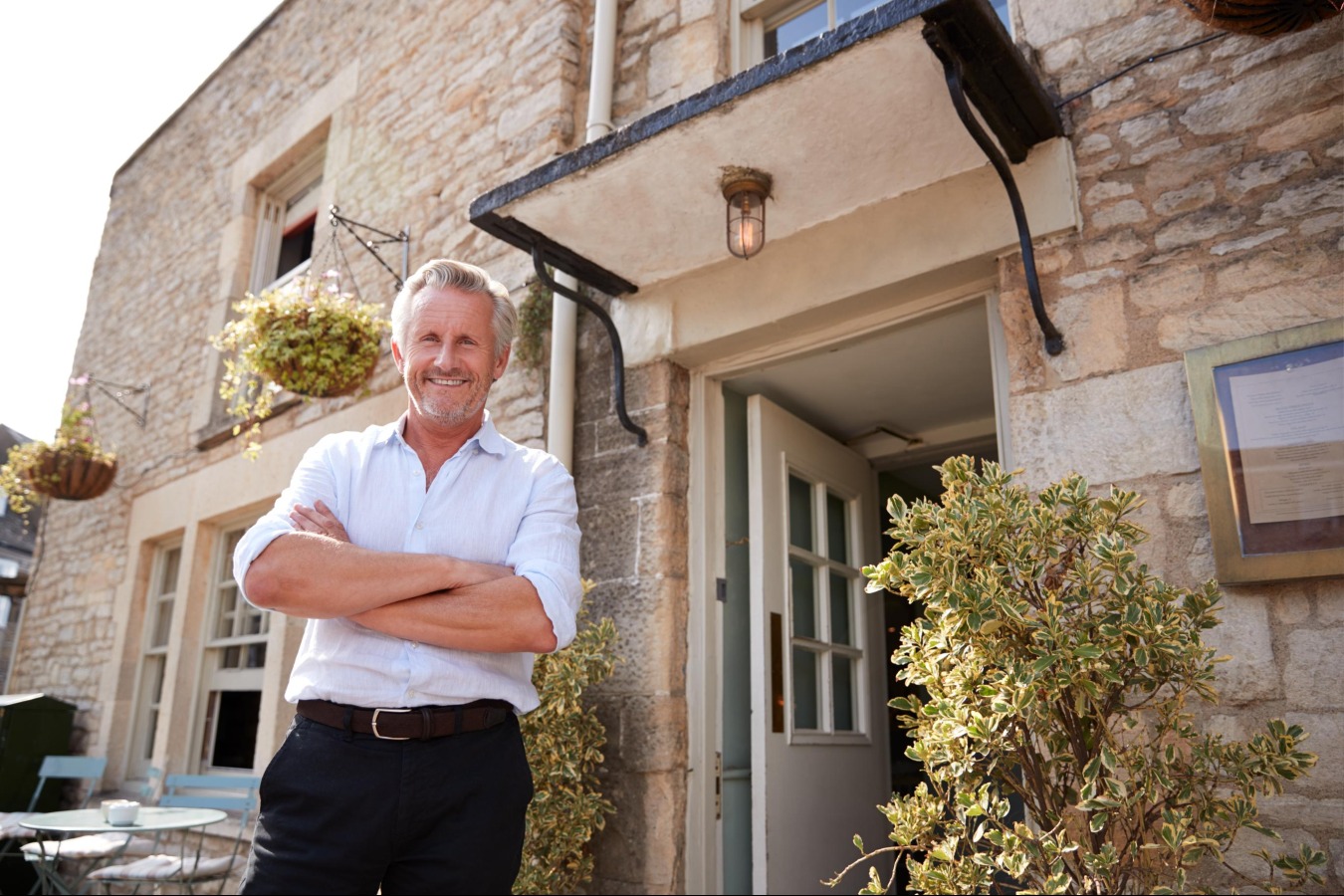
A House Manager’s role goes well beyond basic domestic supervision. You are responsible for the seamless operation of a private residence to the highest possible standard, often managing multidisciplinary household staff, coordinating with external vendors and contractors, and ensuring the Principal’s lifestyle goals are met through meticulous execution “behind the scenes.”
Country Estate
Gamekeeper
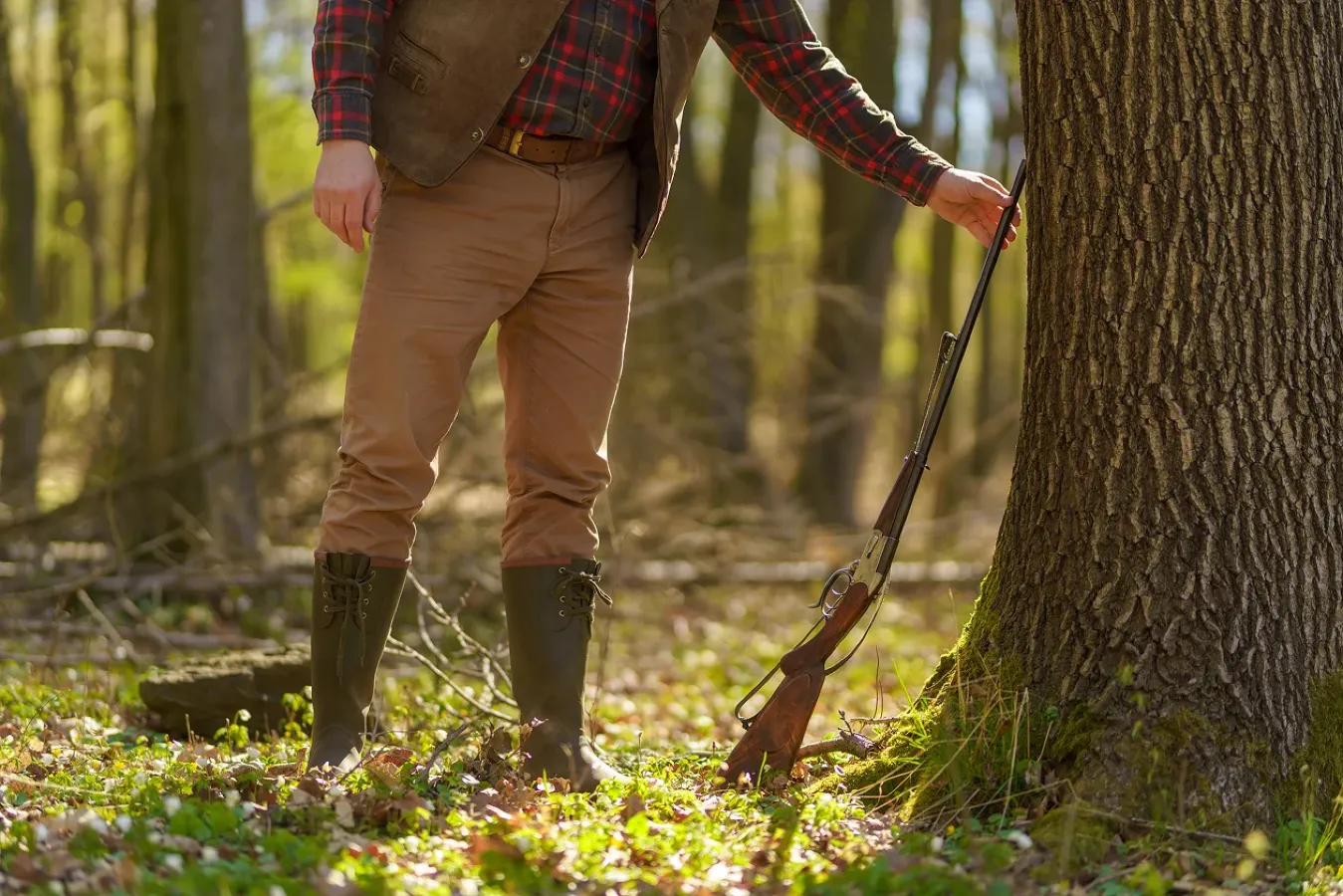
A grounds person’s role goes well beyond basic lawn mowing. You are responsible for the entire estate landscape, from defining seasonal maintenance scopes and sourcing specialist machinery to managing annual grounds budgets and health and safety registries. You maintain the highest aesthetic and environmental standards, coordinating everything from routine garden tasks to complex, high-stakes woodland or drainage.
Country Estate
Gardener
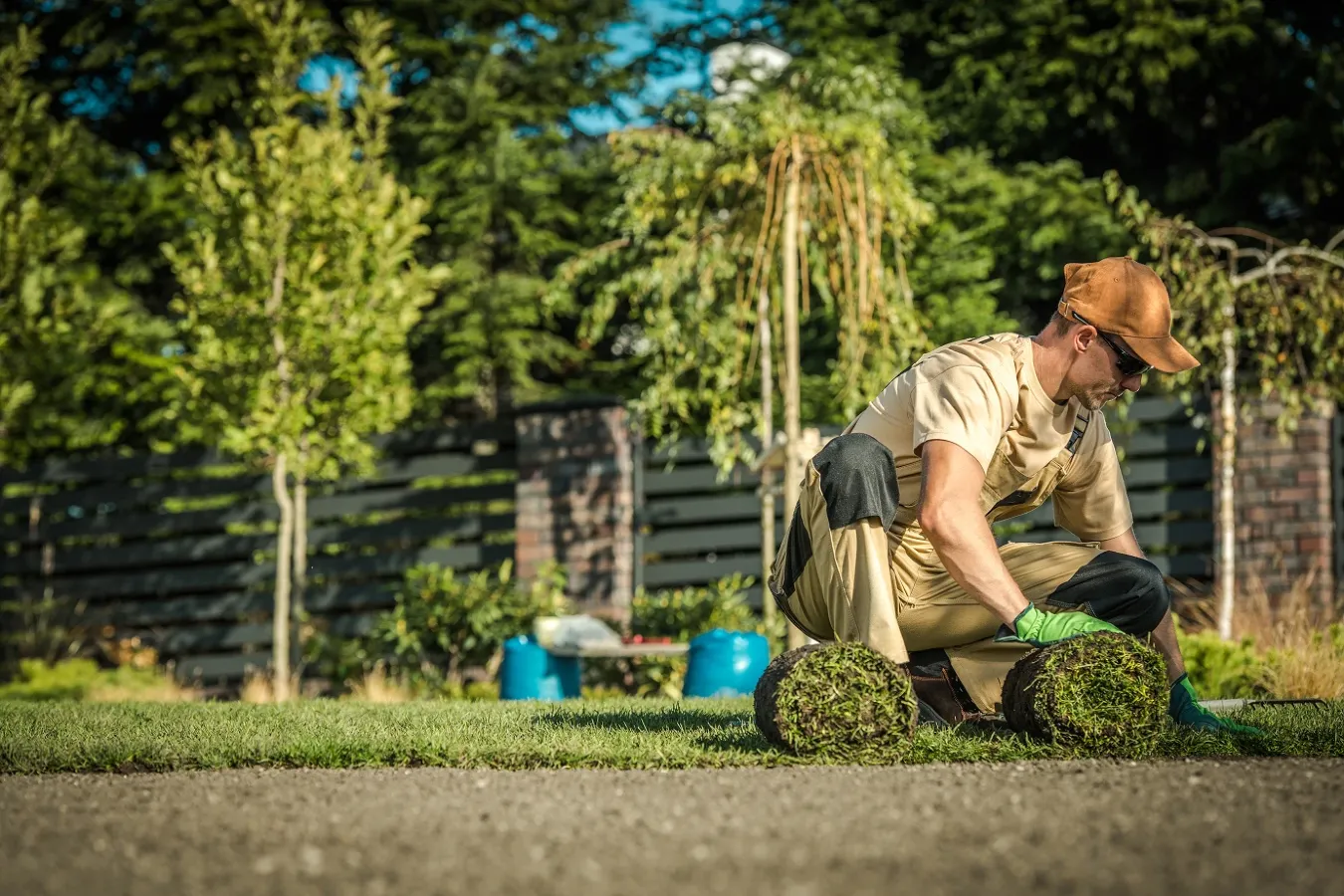
You are responsible for the horticultural lifecycle, from defining strategic landscape designs and sourcing specialist plant stock to managing significant departmental budgets and health and safety compliance. You maintain the highest aesthetic standards and coordinate everything from seasonal planting cycles to complex, large-scale restoration projects and contractor engagements.
For Employers
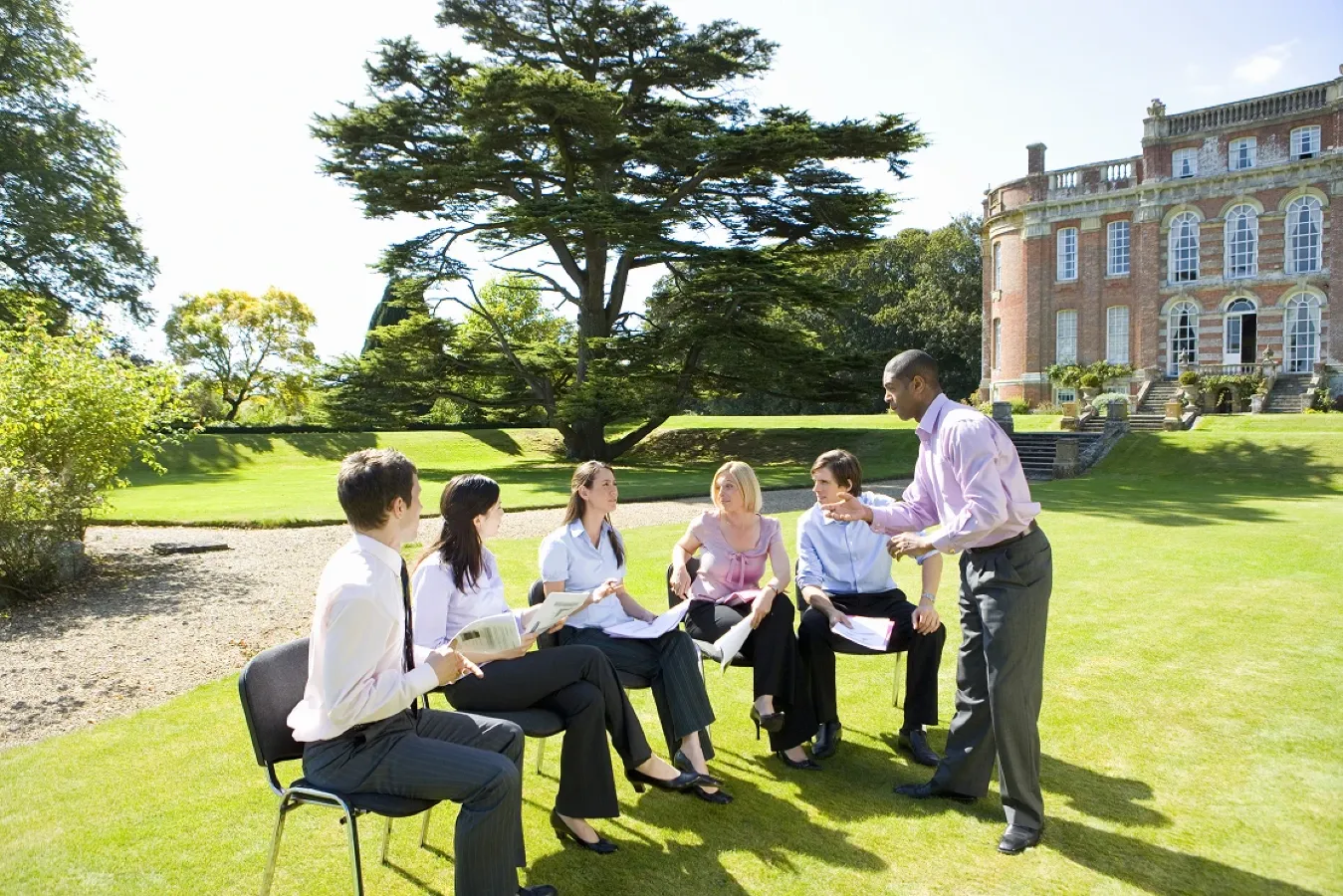
Hiring Country Estate Staff
Finding the Right People for Your Estate
Running a country estate requires a unique combination of skills. You need people who understand heritage and tradition but can also think commercially, manage budgets, and implement modern practices. Finding staff who genuinely care about the land, property, and long-term stewardship isn't always straightforward.
We have spent years building relationships with candidates who understand estate work. These people are looking for a place where they can put down roots, contribute something meaningful, and take genuine pride in what they maintain and develop.
Every candidate we represent understands discretion and has demonstrated their commitment to estate work through their career choices.
What Estate Employers Typically Look For
Requirements vary enormously by role and estate size, but certain qualities appear consistently:
- Deep understanding of and respect for heritage, land, and property
- Self-motivation and ability to work independently across large sites
- Practical problem-solving and resourcefulness
- Flexibility to respond to seasonal demands and unexpected issues
- Technical skills relevant to the role (horticulture, building maintenance, land management)
- Long-term commitment rather than short-term employment
For Candidates
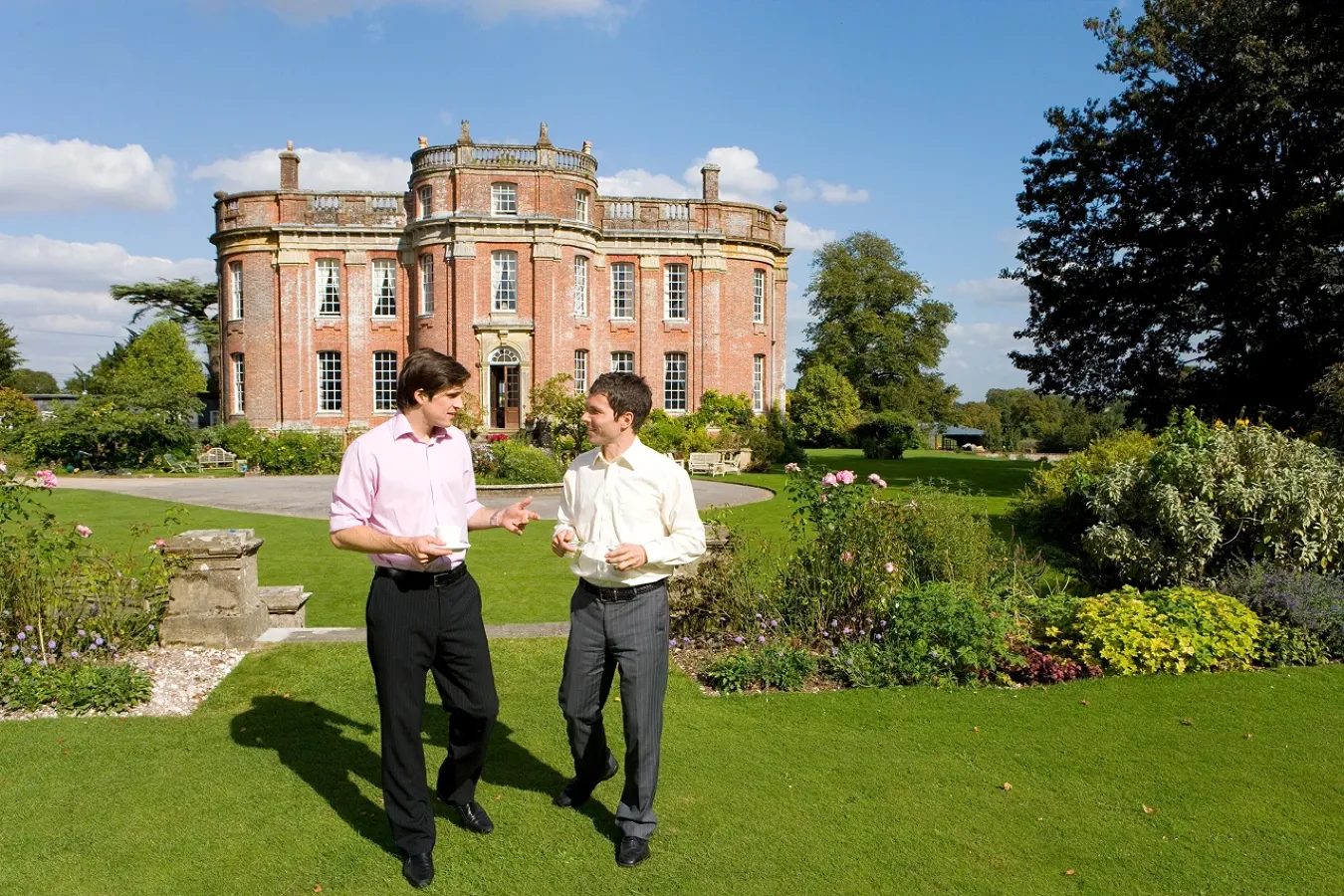
Building Your Career On Country Estates
Why Choose Estate Work?
Estate work offers something increasingly rare: the opportunity to see the direct, tangible results of your efforts every single day. Whether you are managing ancient woodland, maintaining a listed building, or overseeing an entire property, you are contributing to something that extends far beyond quarterly targets or annual reviews.
The work is demanding and requires genuine commitment, but for those who value being outdoors, working with your hands, and maintaining beautiful, historic properties, it provides deep satisfaction.
Career Progression
Career progression on estates often follows a craft-based path. You might start as an under-gardener (£24,000-£28,000), progress to head gardener (£35,000-£45,000), and potentially move into broader estate management (£45,000-£75,000+). Many senior estate staff have 15-20 years of experience across multiple properties, building expertise that's valued across the sector.
Estate work also offers lateral progression, from gardening into land management, from property maintenance into project coordination, from housekeeping into estate administration.
What You'll Need to Succeed
Technical qualifications matter in estate work, but so does practical experience and genuine aptitude. The best estate staff are naturally observant, take initiative, and understand that maintenance is always cheaper than repair.
Typical Qualifications and Skills
- Relevant qualifications (RHS certificates for gardeners, trade qualifications for maintenance staff, estate management degrees for senior roles)
- Full UK driving licence (essential for most estate roles)
- Practical experience in relevant areas
- Understanding of health and safety regulations
- Basic IT skills for record-keeping and communication
- First aid certification (particularly valuable in rural locations)
Country Estate Recruitment FAQs
It varies. Many senior roles and some junior positions include estate accommodation, particularly for roles requiring early starts, late finishes, or on-call availability (gamekeepers, senior gardeners, estate managers). Other positions are daily roles where you commute from nearby. We always clearly indicate what accommodation arrangements apply to each position.
Estate work is inherently seasonal and weather-dependent. In summer, working days are longer and there's more daylight and more growing to manage. Winter might involve shorter days but different tasks like woodland management or building maintenance. Most roles involve some weekend work, particularly during shooting season, events, or peak garden visiting times. Flexibility is essential.
Many estates offer apprenticeships or take on trainees willing to learn. Volunteering with organisations like the National Trust or local conservation groups can provide relevant experience. If you have transferable skills from landscaping, horticulture, building trades, or farm work, these can provide a pathway into estate work. We can advise on the best entry route for your situation.
Estate management encompasses everything including land, buildings, staff, budgets, shooting or fishing rights, woodland management, gardens, events, and overall estate strategy. Property management typically focuses on buildings, maintenance, letting arrangements, and property-specific operations. Estate management is broader, more rural, and often involves managing hundreds or thousands of acres.
Not at all. Estates need a mix of experience levels. They value younger staff who bring energy, digital skills, and fresh thinking, particularly around sustainability and modern practices. What matters more than age is attitude, are you prepared to learn, take pride in your work, and commit to the estate long-term?
Looking for Your Next Role?
Register with us to access exclusive country estate positions across the UK.
Need To Hire?
Let us find you people who will care for your property with the dedication it deserves.