

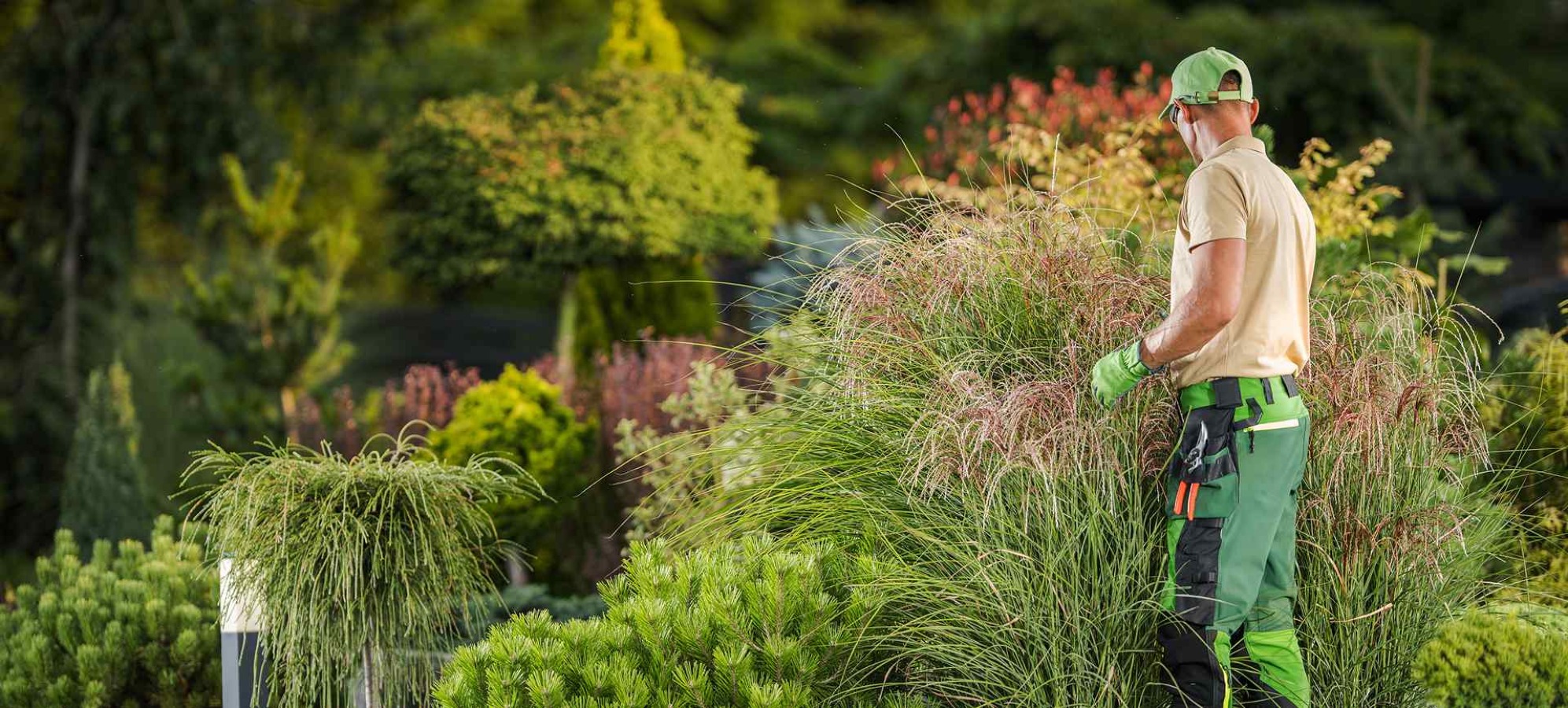
Gardener
Average Salary: £24,000 - £40,000. Experience Level: Entry to Head Gardener.What Does a Gardener Do?
A professional gardener maintains gardens and grounds to exceptional standards, combining horticultural knowledge with practical skills and an eye for design. You are not just mowing lawns and weeding borders, you are managing plant health, planning seasonal displays, and often maintaining historic or designed landscapes.
Day-to-day, you might be pruning and shaping plants, managing lawns and borders, planting seasonal displays, maintaining kitchen gardens, and operating machinery from mowers to hedge trimmers. In larger properties, you might specialise in specific areas such as vegetable gardens, formal parterres, woodland management, or glasshouse cultivation.
The best gardeners combine horticultural knowledge with practical problem-solving. You will need physical fitness, weather resilience, and the ability to plan work seasonally. It's demanding outdoor work, but for those who love plants and take pride in beautiful gardens, it provides genuine satisfaction and the pleasure of seeing your work flourish.
Typical Daily Responsibilities
- Lawn care (mowing, edging, feeding, treatment)
- Border maintenance (weeding, deadheading, staking, mulching)
- Pruning and shaping trees, shrubs, and hedges
- Planting seasonal displays and permanent plantings
- Pest and disease management
- Operating and maintaining machinery and equipment
- Managing compost and waste
- Greenhouse and glasshouse management
- Vegetable garden maintenance
- Planning and implementing planting schemes
Key Role Requirements
- Experience: Proven practical gardening experience, ideally in similar settings
- Knowledge: Understanding of plant identification, cultivation, and seasonal care
- Physical fitness: The role is physically demanding and entirely outdoors
- Driving licence: Full UK driving licence (essential for most positions)
- References: Good references from previous employers or training providers
- Weather resilience: Willingness to work in all weather conditions
Desirable Skills
- RHS qualifications (Level 2 minimum, Level 3+ for senior roles)
- Experience with specific garden types (formal, kitchen, historic)
- Machinery operation skills (mowers, tractors, hedge trimmers, chainsaws)
- PA1/PA6 spraying certificates
- First aid certification
- Basic knowledge of irrigation and watering systems
- Understanding of organic and sustainable gardening practices
Personal Qualities
Beyond technical knowledge, successful gardeners share certain characteristics:
- Genuine love for plants and horticulture
- Pride in achieving high visual standards
- Self-motivation and ability to work independently
- Seasonal thinking and planning ahead
- Problem-solving approach to plant issues
- Physical stamina and resilience
- Attention to detail in all aspects of garden maintenance
For Employers
Hiring a Gardener: What You Need to Know
What Makes an Exceptional Gardener?
A good gardener doesn't just maintain your garden, they enhance it. They notice when plants aren't thriving, suggest improvements, and take personal pride in how the property looks. Technical knowledge matters, but so does an innate feel for plants and design.
When we recruit gardeners, we assess their horticultural knowledge, but also their passion for gardens, their ability to work independently, and whether they will take ownership of the space. We ask about specific plants they have grown, challenges they've overcome, and how they would approach particular garden situations.
Typical Hiring Timeline
Garden recruitment often follows seasonal patterns, many positions start in spring. We recommend starting your search 6-8 weeks before you need someone to begin:
- Initial consultation about your garden and requirements (1 week)
- Candidate sourcing and shortlisting (1-2 weeks)
- Interviews with garden walk-around (1-2 weeks)
- Trial days to assess practical skills (1 week)
- Reference checking (1 week)
- Notice period for successful candidate (typically 4 weeks)
Trial Days Are Essential
Always include a paid trial day where you can assess practical skills. Ask candidates to:
- Demonstrate machinery operation (mower, hedge trimmer)
- Identify plants in your garden
- Discuss their approach to specific garden areas
- Show their pruning or planting technique
- Explain how they would tackle particular tasks or problems
Setting Clear Expectations
Successful gardener employment requires clarity about:
- Garden priorities and standards expected
- Working hours and seasonal variations
- Machinery and tools provided
- Budget for plants, materials, and contractors
- Communication preferences and reporting
- Accommodation details (if live-in)
- Training and development opportunities

For Candidates
Succeeding as a Gardener
How to Stand Out from Other Candidates
The gardening job market can be competitive, particularly for positions at prestigious properties. Here is how to stand out:
- Build a portfolio: Photos of gardens you have worked on (with permission), before-and-afters, specialist projects
- Demonstrate genuine knowledge: Be able to discuss plants by latin names, understand pest/disease identification, know your pruning times
- Show commitment: RHS qualifications demonstrate serious career intentions
- Be prepared to work: Gardening isn't 9-5 in summer, and weather doesn't always cooperate
- Ask intelligent questions: Show you have thought about the specific garden you would be maintaining
- References matter hugely: One excellent reference from a respected head gardener carries significant weight
Interview Tips
Gardener interviews often happen in the garden itself. Be prepared to:
- Walk the garden and discuss what you notice
- Identify plants (be honest if you don't know something)
- Discuss your approach to specific areas or challenges
- Explain seasonal work priorities
- Talk about machinery you have operated
- Describe gardens you have particularly enjoyed working in
Wear appropriate outdoor clothing for a garden walk. Bring portfolio if you have one. Show enthusiasm for the garden itself, not just the job.
Your Gardener CV Should Include
- Qualifications: All RHS and relevant certificates with dates and grades
- Experience: Detailed description of each role—garden type, size, responsibilities, achievements
- Plant knowledge: Specific areas of expertise or interest
- Machinery skills: What equipment you are confident operating
- References: Preferably from head gardeners or property owners
- Personal interests: Showing genuine horticultural passion (allotment, plant collecting, garden visiting)
Gardener Recruitment FAQs
Not always for entry-level positions, but they significantly help progression and earning potential. Many employers will support you gaining RHS qualifications whilst working. For head gardener or specialist roles, RHS Level 3 or equivalent is usually expected. If you are serious about gardening as a career, RHS qualifications are a worthwhile investment.
Domestic gardening demonstrates practical skills and commitment, but professional gardening requires higher standards, broader plant knowledge, and confidence with machinery. Consider volunteering at National Trust properties, taking RHS courses, or seeking trainee positions where you can develop professional-level skills under experienced gardeners.
Gardens need maintenance year-round, but the work varies significantly by season. Spring and summer are busiest with mowing, planting, and intensive maintenance. Autumn involves clearance, planting, and preparation. Winter focuses on structural work, tool maintenance, and planning. Hours may reduce in winter, though some positions are year-round full-time with varied winter tasks.
Extremely. Gardening involves constant bending, kneeling, lifting, and repetitive movements. You are outdoors in all weathers—hot summer days, cold winter mornings, rain. You will lift bags of compost, push heavy mowers, and work at height. Physical fitness and resilience are essential. Many gardeners develop knee, back, or joint issues over time, so good technique and appropriate equipment matter.
Yes, as you progress. Specialisms include: kitchen/vegetable gardening, historic horticulture, glasshouse and exotic plants, roses, herbaceous borders, arboriculture, fruit growing, organic methods. Specialists often command higher salaries and work in particular types of properties that value that expertise.
Smaller properties typically employ single gardeners who work independently, you need self-motivation and ability to prioritise. Larger estates might have teams of 2-10 gardeners with clear hierarchy and specialisms. Both have advantages: solo work offers autonomy, team work offers companionship and shared knowledge. Consider which suits your personality.
Looking for Your Next Role?
Register with us today to access exclusive gardener roles across the UK. We will match you with properties that value horticultural excellence.
Need To Hire?
Let us find you someone who will maintain and enhance your garden with genuine horticultural knowledge and pride.