

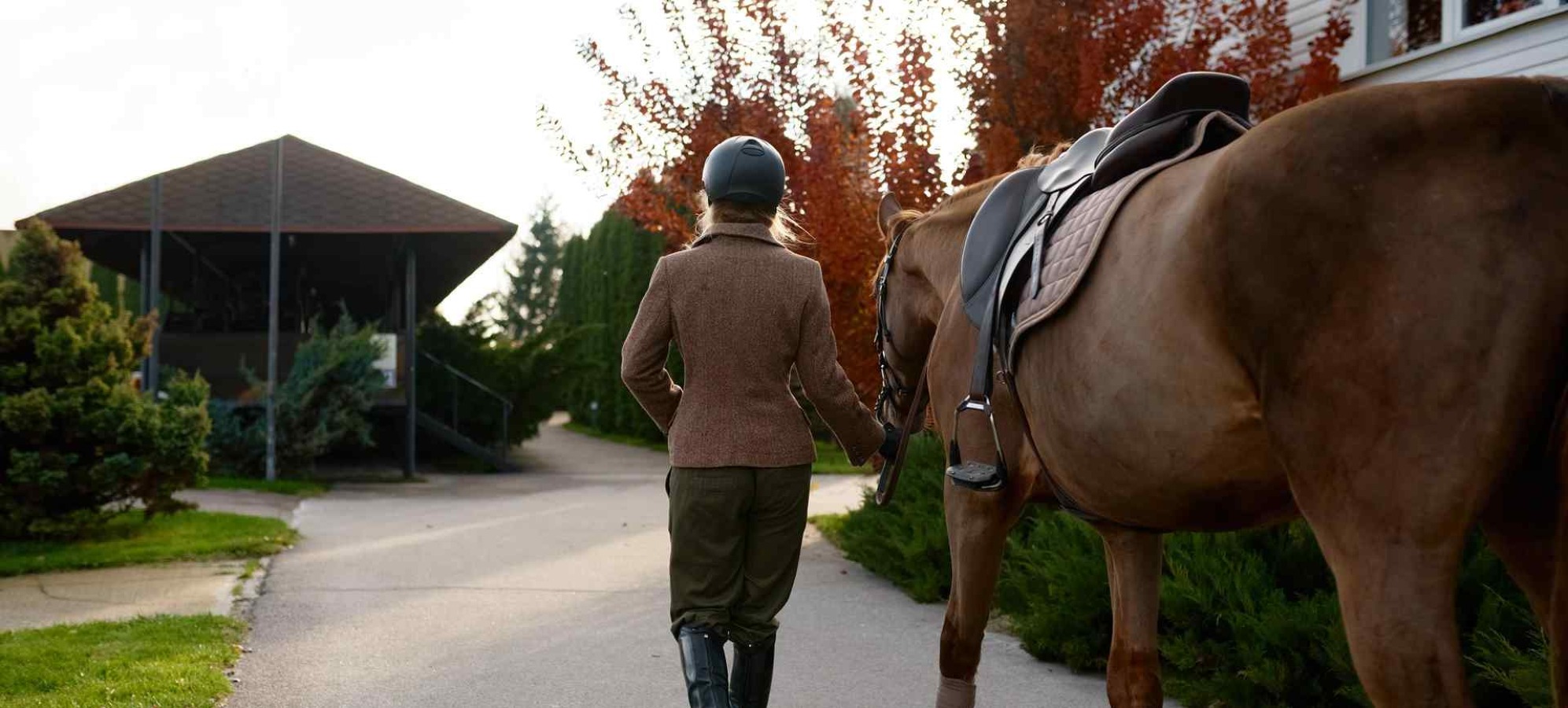
Groom
Average Salary: £20,000 - £32,000. Experience Level: Junior to Head Groom.What Does a Groom Do?
A groom provides essential daily care for horses, maintaining their health, welfare, and presentation to professional standards. You are responsible for everything from mucking out and feeding to grooming and tack management, often working with valuable horses in competition, breeding, or private yards.
Day-to-day, you might be mucking out stables, feeding and watering horses, turning out and bringing in, grooming and plaiting, exercising horses (riding or lunging), cleaning tack and equipment, and monitoring horses for any health or behaviour changes. In competition yards, you will also prepare horses for shows, potentially travel with them, and maintain them throughout events.
The best grooms combine excellent horsemanship with physical stamina and genuine dedication to horse welfare. You will need early starts, flexibility for evening checks, and resilience to work in all weathers. It's demanding work that rarely makes you wealthy, but for those passionate about horses, it provides the satisfaction of working with animals you love every single day.
Typical Daily Responsibilities
- Mucking out stables and maintaining yard cleanliness
- Feeding, watering, and monitoring feed consumption
- Turning horses out to field and bringing them in
- Grooming, plaiting, and presentation for shows or rides
- Exercising horses (riding, lunging, or leading out)
- Tack cleaning and equipment maintenance
- Administering routine medications or treatments as directed
- Monitoring horses for signs of illness, injury, or behavioural changes
- Yard maintenance and general upkeep
- Competition preparation and attendance (for competition yards)
Key Role Requirements
- Horse experience: Proven practical experience handling and caring for horses
- Riding ability: Competent riding across different horses (level varies by yard)
- Physical fitness: The role is physically demanding and requires stamina
- Flexibility: Willingness to work early mornings, evenings, weekends
- References: Good references from previous yards or riding establishments
- Driving licence: Full UK driving licence (essential for most positions)
Desirable Skills
- BHS qualifications (Stage 2 minimum, Stage 3+ for senior roles)
- Trailer/lorry driving licence
- Equine first aid knowledge
- Experience with specific disciplines (dressage, eventing, showing, racing)
- Competition experience as groom or rider
- Understanding of equine nutrition and health management
Personal Qualities
Beyond technical skills, successful grooms share certain characteristics:
- Genuine love for horses and commitment to their welfare
- Physical resilience and stamina
- Reliability regardless of weather or circumstances
- Attention to detail in horse care and presentation
- Calm, patient temperament around horses
- Team player who mucks in (literally)
- Willingness to learn and take direction
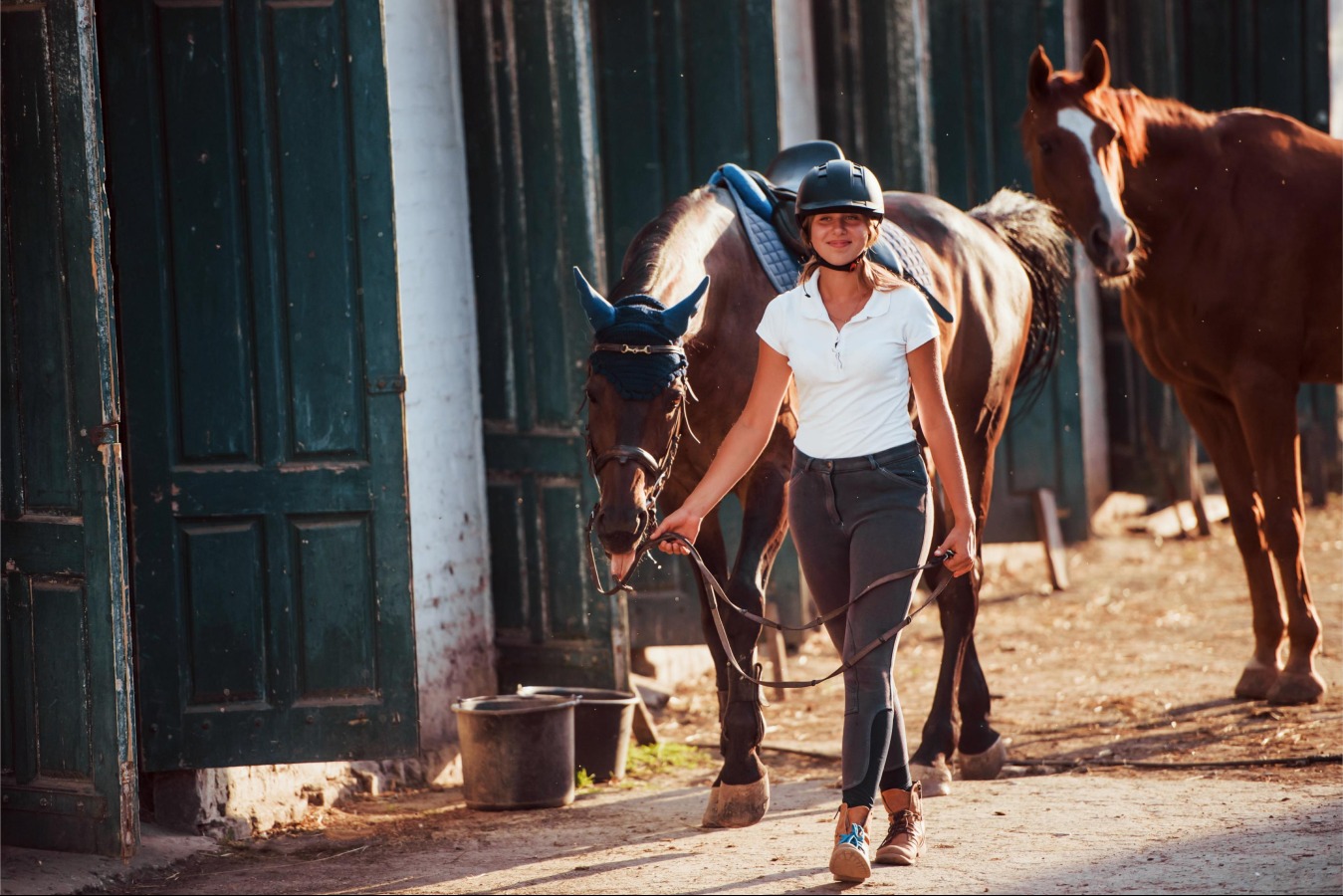
For Employers
Hiring a Groom: What You Need to Know
What Makes an Exceptional Groom?
Good grooms notice things - when a horse is slightly off its feed, when shoes need attention, when behaviour changes. They take pride in immaculate turnout and stable presentation. They are up early regardless of weather and put horses' welfare before their own convenience.
When we recruit grooms, we assess riding ability and practical skills, but also attitude and commitment. The equestrian world is small and reputation matters enormously. We look for grooms who previous employers would enthusiastically re-employ, who have stayed in positions and built relationships, and who demonstrate genuine horsemanship rather than just competence.
Typical Hiring Timeline
Equestrian recruitment often needs to be quick, particularly if someone has left suddenly. However, allowing 4-6 weeks gives you better choice:
- Initial consultation about your yard and requirements (1 week)
- Candidate sourcing and shortlisting (1-2 weeks)
- Interviews with yard visits (1 week)
- Trial days to assess practical skills (1 week)
- Reference checking (1 week)
- Notice period (typically 2-4 weeks)
Trial Days Are Essential
Never hire a groom without seeing them work. A paid trial day should include:
- Mucking out and stable management
- Handling and grooming horses
- Riding assessment (if riding is part of the role)
- Tack cleaning
- Observing how they interact with horses and other yard staff
- Assessing their attention to safety and detail
Accommodation and Working Arrangements
Many groom positions include yard accommodation. Consider:
- Quality and condition of accommodation offered
- What's included (bills, Wi-Fi, furnishing)
- Privacy and boundaries (particularly on private yards)
- Clear working hours despite accommodation being on-site
- Written agreement covering accommodation terms
- Notice periods affecting accommodation
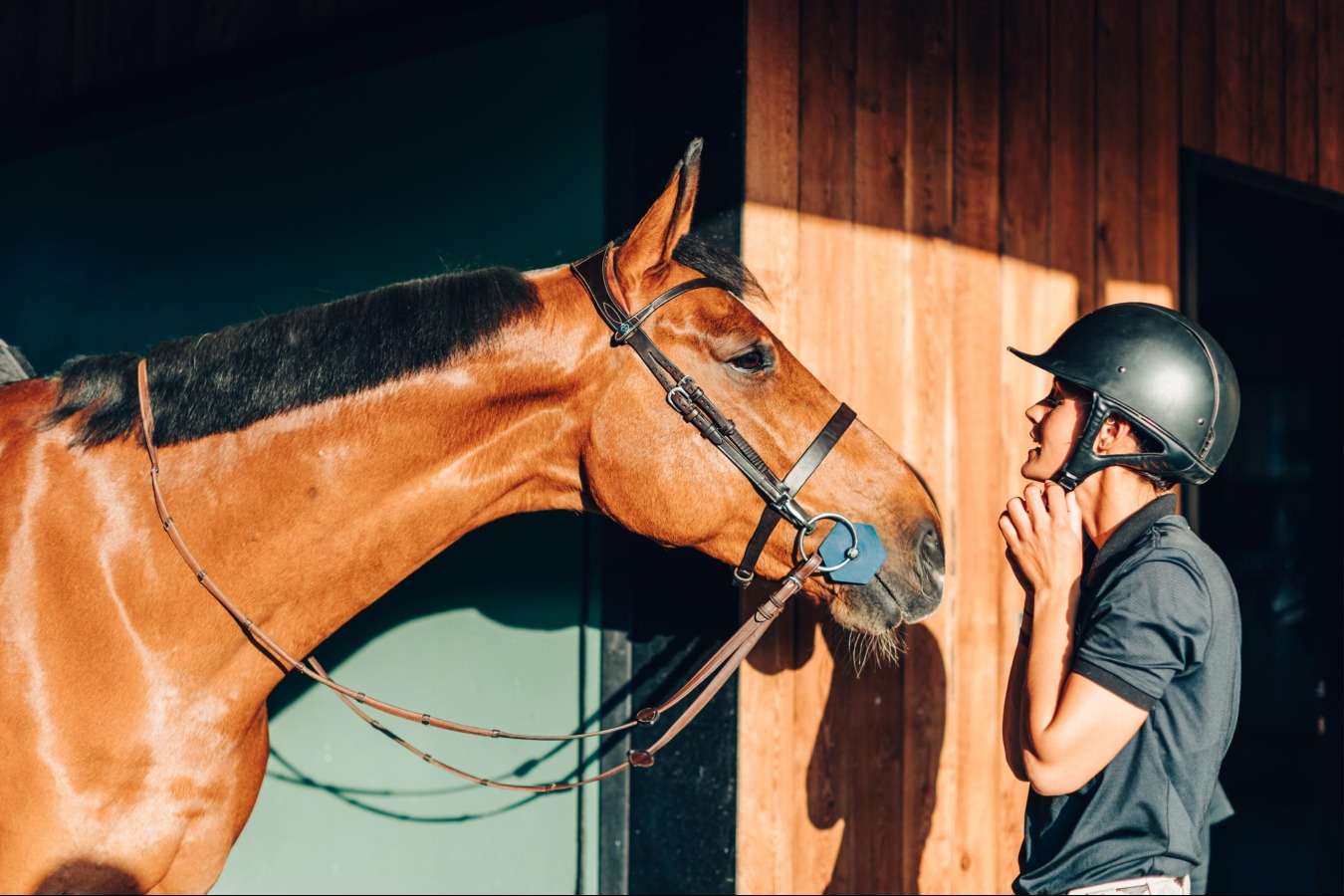
For Candidates
Succeeding as a Groom
How to Stand Out from Other Candidates
The groom job market is competitive for the best positions. Here's how to stand out:
- Build your reputation: The equestrian world is small and reputation is important. Work ethically, stay in positions, handle departures professionally
- Document your experience: Photos of horses you've produced (with permission), competition results, plaiting or turnout skills
- Invest in qualifications: BHS qualifications demonstrate commitment beyond just loving horses
- Show initiative: Examples of going beyond basic requirements, solving problems, suggesting improvements
- References are everything: One enthusiastic reference from a respected head groom carries huge weight
- Be honest about ability: Don't oversell riding skills, you'll be found out quickly
Interview Tips
Groom interviews usually happen at the yard. Be prepared to:
- Discuss your experience with specific horse types or disciplines
- Describe challenging situations you've handled (difficult horse, injury, competition pressure)
- Demonstrate your knowledge of horse health and nutrition
- Potentially ride or handle horses as practical assessment
- Ask intelligent questions about the yard, horses, and expectations
- Dress appropriately for yard environment (clean, practical clothing)
Your Groom CV Should Include
- BHS qualifications: All levels achieved with dates
- Riding experience: Disciplines, levels, competition experience
- Yard experience: Detailed description of each role, detail the number of horses, types, responsibilities etc.
- Specialist skills: Plaiting, clipping, stud work, breaking, competition grooming
- Licences: Driving, trailer/lorry
- References: Preferably from previous employers or trainers
- Notice period and availability
Groom Recruitment FAQs
Not always for entry-level positions, but they significantly help progression. Many yards will take on enthusiastic, competent grooms without formal qualifications, but you may struggle to progress to senior roles without them. BHS qualifications also demonstrate commitment to professional development and standardised competence. If you are serious about equestrian work as a career, invest in qualifications.
Honest answer: long and unsociable. Early starts (6-7am) for morning feeds, potentially evening checks (6-7pm). Weekend work on rotas. Hours increase during competition season or foaling periods. Summer days are longer. You get time off, but it won't always be when friends with office jobs are free. If you need predictable 9-5 hours, equestrian work isn't for you.
Both have merits. Live-in positions save significant accommodation costs and are convenient for early starts and evening checks, but require clear boundaries between work and personal life. Daily positions offer better separation but need nearby affordable housing. Consider: your age and lifestyle, whether you are saving money, the specific yard culture, and accommodation quality on offer.
Even experienced grooms encounter challenging horses. Key principles: stay calm, prioritise safety, seek guidance from senior staff or yard owner, don't take behaviour personally, understand every horse has reasons for behaviour, and know your limits, ask for help when needed. Honesty about horses you find challenging is professional, not a weakness.
Honestly, equestrian salaries are modest compared to many sectors. Entry-level grooms earn around £20,000-£22,000 (often with accommodation). Even head grooms rarely exceed £35,000-£38,000 unless at exceptional operations. Accommodation being included helps, but you won't get wealthy. Most people groom because they are passionate about horses, not for financial reward. If money is your primary motivator, consider other career paths.
Some groom positions focus purely on care and do not require riding. However, riding ability opens significantly more doors and increases earning potential. If you are not confident, invest in riding lessons alongside practical experience. Many yards value excellent horse care and stable management even if riding is not your strength, be honest about your abilities.
Looking for Your Next Role?
Register with us today to access exclusive groom roles across the UK. We will match you with yards that value dedication and horsemanship.
Need To Hire?
Let us find you someone who will care for your horses with the dedication and expertise they deserve.